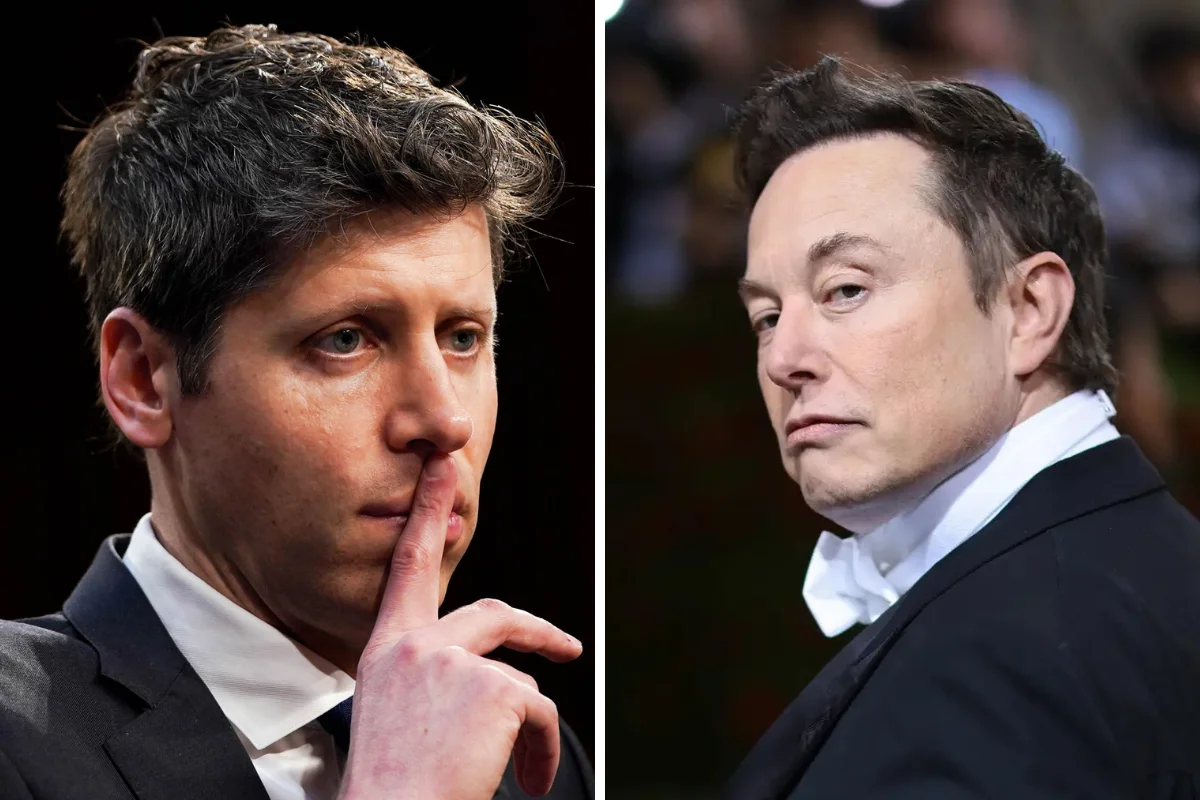
Elon Musk’s fight with OpenAI is not just another Silicon Valley lawsuit.
At the center of it is a simple question: did OpenAI break the promise it was built on?
Musk says OpenAI was created as a nonprofit with a mission to build AI for the benefit of humanity. Not just for investors. Not just for corporate partners. Not just for the biggest payday in tech.
That is why this case feels bigger than a normal business dispute.
Musk’s lawsuit against OpenAI and Sam Altman is heading toward a high-stakes trial in Oakland, California. Musk argues that OpenAI moved away from its original nonprofit mission and toward a for-profit structure that he says violated the company’s founding purpose.
Elon Musk And Sam Altman Go To Court — Everything You Need To Know | CNBC
OpenAI denies Musk’s version of events.
Its side argues that Musk knew more about the company’s direction than he now claims, left the organization years ago, and is now attacking a major AI rival while building his own AI company.
That is what makes the story messy.
Because this is not only Musk vs Sam Altman.
It is also Musk vs the new version of OpenAI.
And whether people like Musk or not, the question he is raising is not small.
If an AI company starts with a public mission, should that mission still matter once the money becomes enormous?
Or is that mission just a nice slogan until the cost of compute, engineers, chips, and global competition forces the company to act like every other tech giant?
There is also an important update: Reuters reported that a judge dismissed Musk’s fraud claims at his request, but the case is still moving forward on other claims, including breach of charitable trust and unjust enrichment
So this is not a clean “Musk won” or “Musk lost” story.
It is a courtroom battle over what OpenAI was supposed to be.
Musk’s argument is emotional and easy to understand: OpenAI made a promise, and he says that promise was broken.
OpenAI’s response is also clear: the company says Musk’s lawsuit is not really about protecting humanity, but about rivalry, regret, and control after he left.
That is why this trial could matter beyond the legal result.
It may force OpenAI, Musk, Altman, and maybe even Microsoft’s role in the AI race into a brighter public spotlight.
For years, AI companies have used words like “safe,” “beneficial,” and “humanity.”
Now one of the people who helped start OpenAI is asking a court whether those words actually meant something.
Is Musk raising a serious point about OpenAI’s original mission, or is this mostly a rivalry between AI billionaires?