Handheld gaming is not a small side story anymore.
It has become one of the most exciting battles in tech.
The Steam Deck proved that people wanted PC games in their hands. Then Asus, Lenovo, MSI, and others jumped in with more power, sharper screens, and higher prices. Now Intel may be getting ready to make a much bigger move.
Recent reports say Intel’s new Arc G3 and Arc G3 Extreme chips may be made for gaming handhelds. They could be revealed at Computex 2026. The reports also link these chips to Intel’s Panther Lake platform and Xe3 graphics. That could make them a direct rival to handhelds powered by AMD.
Intel Arc G3 Extreme Handhelds Are Coming! How Will They Perform? — ETA PRIME
And this is where things get interesting.
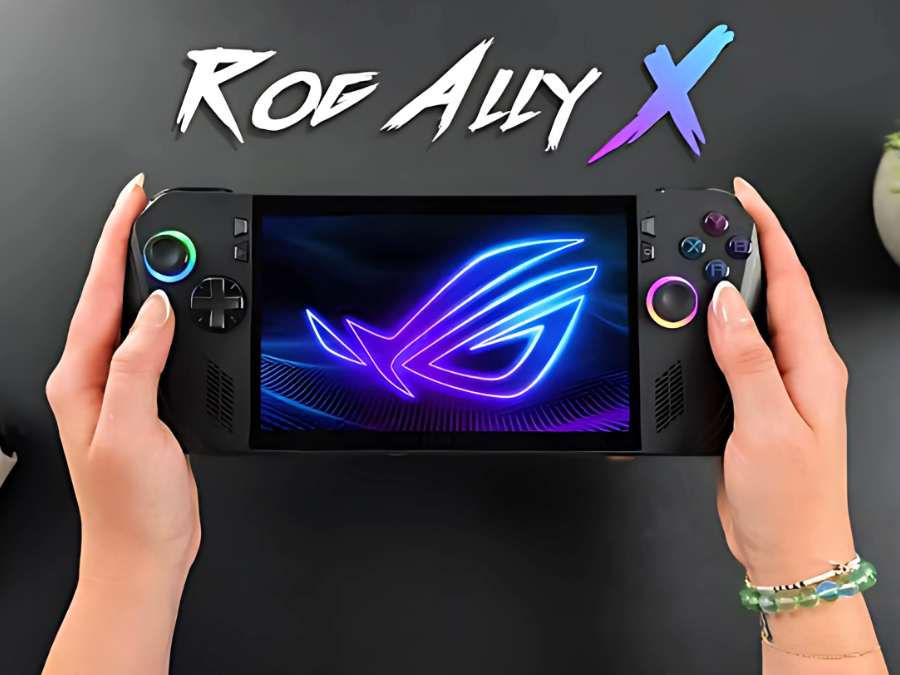
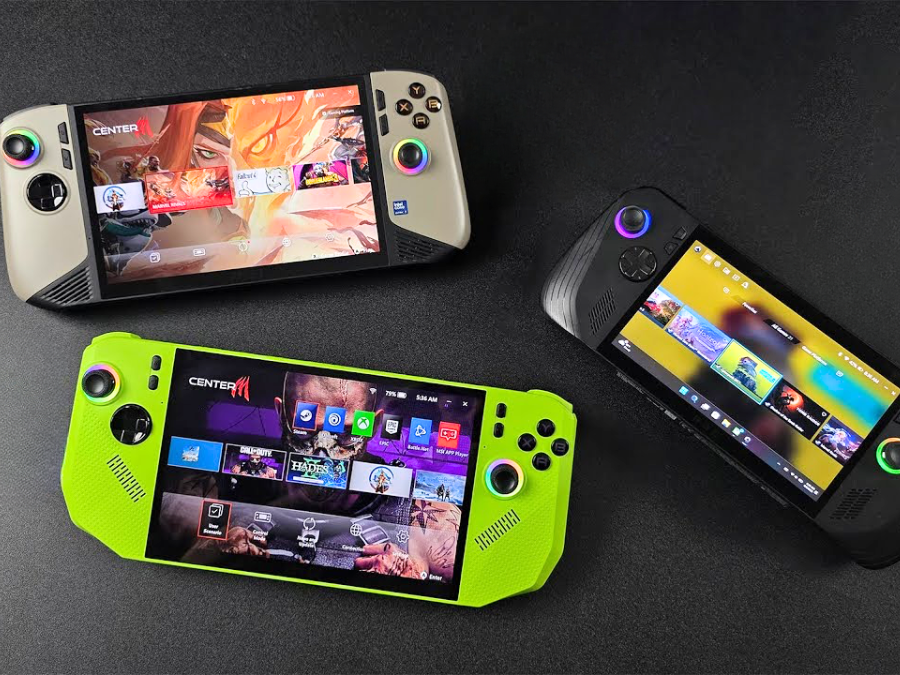
Most handheld gaming PCs today lean heavily on AMD chips. The Steam Deck, ROG Ally, Legion Go, and several other devices helped make AMD the familiar name in this space. Intel has tried before with handhelds like the MSI Claw line, but many gamers still saw AMD as the safer choice.
Arc G3 Extreme could be Intel’s chance to change that.
Reported specs suggest the Arc G3 and Arc G3 Extreme may use a 14-core CPU layout, with two performance cores, eight efficiency cores, and four low-power efficiency cores. The graphics side is where most gamers will pay attention: Arc G3 is expected to have 10 Xe3 cores, while Arc G3 Extreme may step up to 12 Xe3 cores.
That sounds promising.
But handheld gaming is not just about raw power.
It is about battery life. Heat. Fan noise. Price. Comfort. And whether games actually run smoothly when the device is unplugged and sitting in your hands.
That is the real test.
A chip can sound great on paper. But a handheld has much less room than a laptop. If Intel pushes too much power the device could run hot and get loud and drain the battery too fast. Some reports say the G3 series may start at around 25W but rise much higher in turbo mode. That makes cooling and battery life two big questions.
So no, this does not mean Intel has already beaten the Steam Deck or AMD.
Not yet.
What it means is that the handheld PC market may be getting more serious. If Intel can offer strong graphics, good battery life, and fair pricing, Arc G3 Extreme handhelds could give buyers another real option.
That matters because competition usually helps everyone.
AMD will have to keep improving. Intel will have to prove itself. Handheld makers may have more chip choices. And gamers could eventually see better performance, better screens, and better prices.
But the price question may be the biggest one.
Premium handhelds have already become expensive. If Arc G3 Extreme devices land too high, many everyday gamers may simply stay with the Steam Deck or wait for sales. Power is exciting, but value still wins.
That is why ETA PRIME’s video is worth watching.
It breaks down what these Intel handheld chips could mean before the first wave of devices fully arrives. For anyone watching the future of portable PC gaming, this could be one of the next big fights to follow.
The simple takeaway?
Intel is not just watching the handheld gaming boom anymore.
It looks ready to step into the ring.