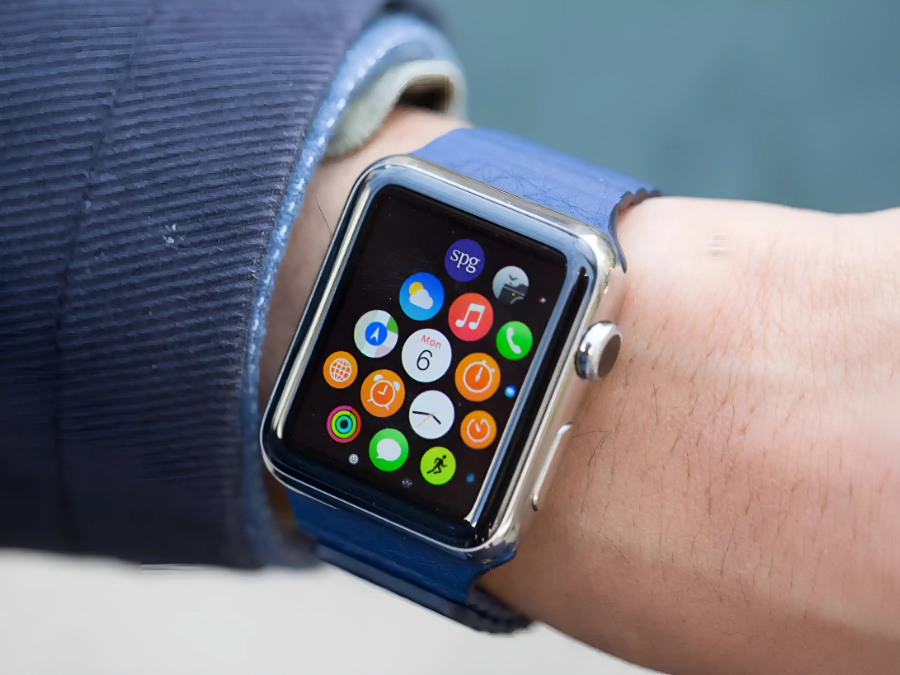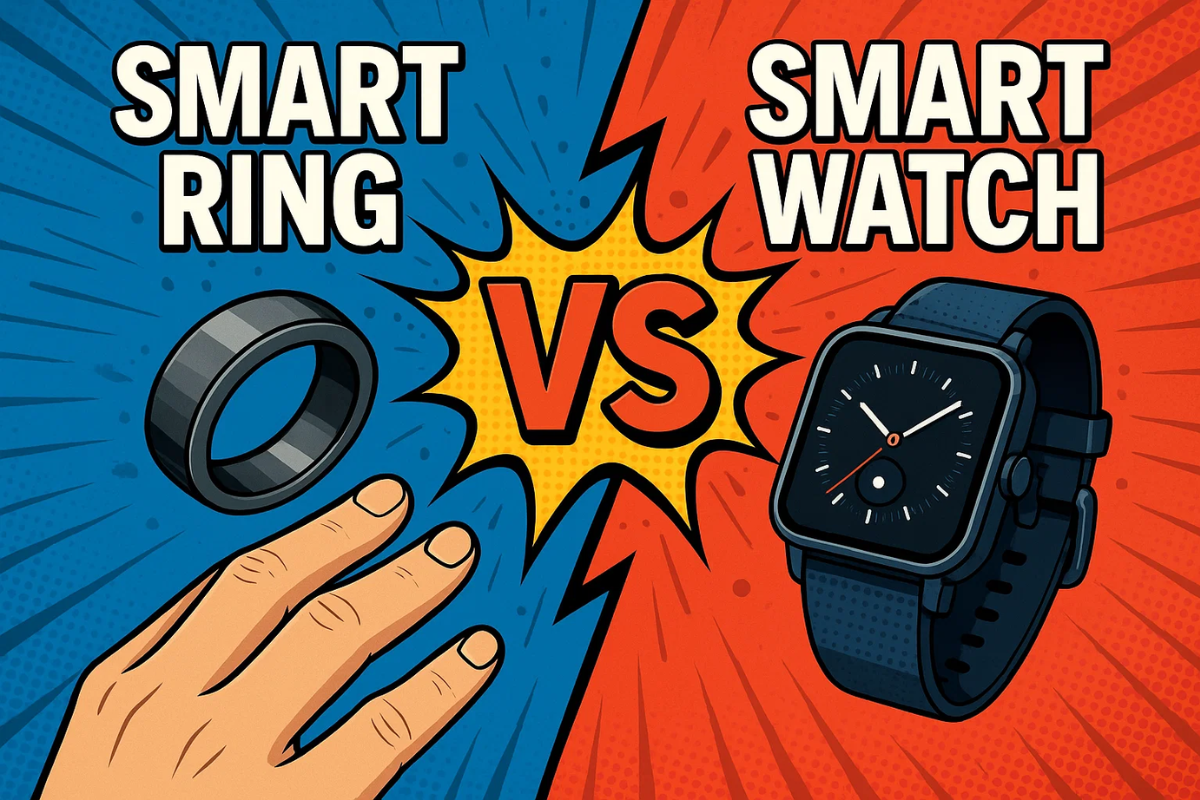
If you’ve ever ripped your smartwatch off the second you hit the couch, the smart ring vs smartwatch dilemma is probably hitting home. In 2025, tiny titanium bands like Oura, Galaxy Ring, Ultrahuman and RingConn are quietly tracking your sleep and recovery while watches from Apple, Samsung and Garmin still rule workouts, notifications and apps. The real question isn’t “which is cooler?” it’s whether a ring can genuinely replace your fitness watch without ruining your routine.
Smart Ring vs Smart Watch
This video frames the trade-off clearly: smart rings nail metrics and comfort; smartwatches win on interaction and maturity. You’ll see side-by-side comparisons across comfort, tracking accuracy, battery life and daily usability, which we’ll build on below.
Most people comparing wearables in 2025 are juggling three variables: comfort, battery and how “smart” they actually need the thing to be. Smart rings lean into comfort and recovery with finger-based sensors, multi-day battery, dead-simple UI while smartwatches act as a second screen for your phone with GPS, calls, apps and contactless payments baked in. Rings from brands like Oura, Samsung, Ultrahuman and RingConn routinely hit 5–8 days of battery on a charge and excel at sleep and readiness scoring, whereas many full-fat smartwatches still sit in the 1–3 day range unless you cripple features. For a deeper, consumer-level breakdown of these trade-offs, including when a ring actually makes more sense than a watch, Neulifestyle’s 2025 guide is worth a skim: Smart Ring vs Smartwatch 2025, Which Should You Buy?
When you zoom in on women’s health and long-term wellness, the picture shifts further toward rings. Belle Health’s comparison of smart ring vs smartwatch for women highlights how rings pair snug, finger-based sensors with temperature tracking to nail sleep, stress and cycle-related shifts in a way many wrist devices still struggle to match. Devices like Oura and Ultrahuman lean hard into overnight HRV trends, subtle temperature changes and recovery scores, while upcoming women-focused rings promise deeper cycle and hormonal insights by default. Meanwhile, smartwatches are catching up with wrist-temperature sensors and richer cycle apps, but that’s still limited to a handful of high-end models. If your priority is understanding how sleep, stress and hormones interact, not replying to Slack from your wrist. Belle’s piece makes a strong case for the ring-first approach.
| Feature | Smart Ring | Smartwatch | Typical price (US, 2025) |
| Battery life | ~5–7 days typical, some up to ~10–14 days | Often 1–3 days on full features; some fitness-first models reach a week | Most smart rings ≈ $200–$400, most smartwatches ≈ $200–$500 |
| Sleep tracking comfort | Tiny, low-profile, easier to wear all night | Bulkier on the wrist; some people charge overnight instead | Most smart rings ≈ $200–$400, most smartwatches ≈ $200–$500 |
| Health focus | Sleep, HRV, recovery, subtle temp and stress trends | Broader mix: workouts, HR, ECG on some models, VO2 Max, training load | Most smart rings ≈ $200–$400, most smartwatches ≈ $200–$500 |
| Notifications & interaction | Limited: usually app-driven; no real display, basic haptics at best | Full interaction: notifications, calls, app controls, music, voice assistant | Most smart rings ≈ $200–$400, most smartwatches ≈ $200–$500 |
| GPS & workouts | No built-in GPS; leans on phone; good for “big picture” activity | Built-in GPS on most; best for runners, cyclists, and data-obsessed training | Most smart rings ≈ $200–$400, most smartwatches ≈ $200–$500 |
Price ranges are based on typical 2025 retail for major smart rings (Amazfit Helio Ring at ~$199 up to Galaxy/Oura around $399) and mainstream Apple/Samsung-style smartwatches usually sitting in the ~$200–$500 bracket.For most everyday, tech-curious users, a good smart ring can absolutely replace a “basic” fitness watch: you’ll get better sleep comfort, strong readiness and recovery insights, and fewer dopamine-drip notifications. But if you live in your stats, interval splits, route maps, ECG checks, phone-free runs or treat your watch as a micro-phone, a smartwatch is still the main character. The neat middle ground in 2025 is to let a ring quietly run your health baseline 24/7, and lean on a watch only when you actually need on-wrist data, just like you’d pair a clean desk setup with the occasional ultra-powerful “headless” laptop experiment you’ve covered elsewhere on TheCircuitDaily.