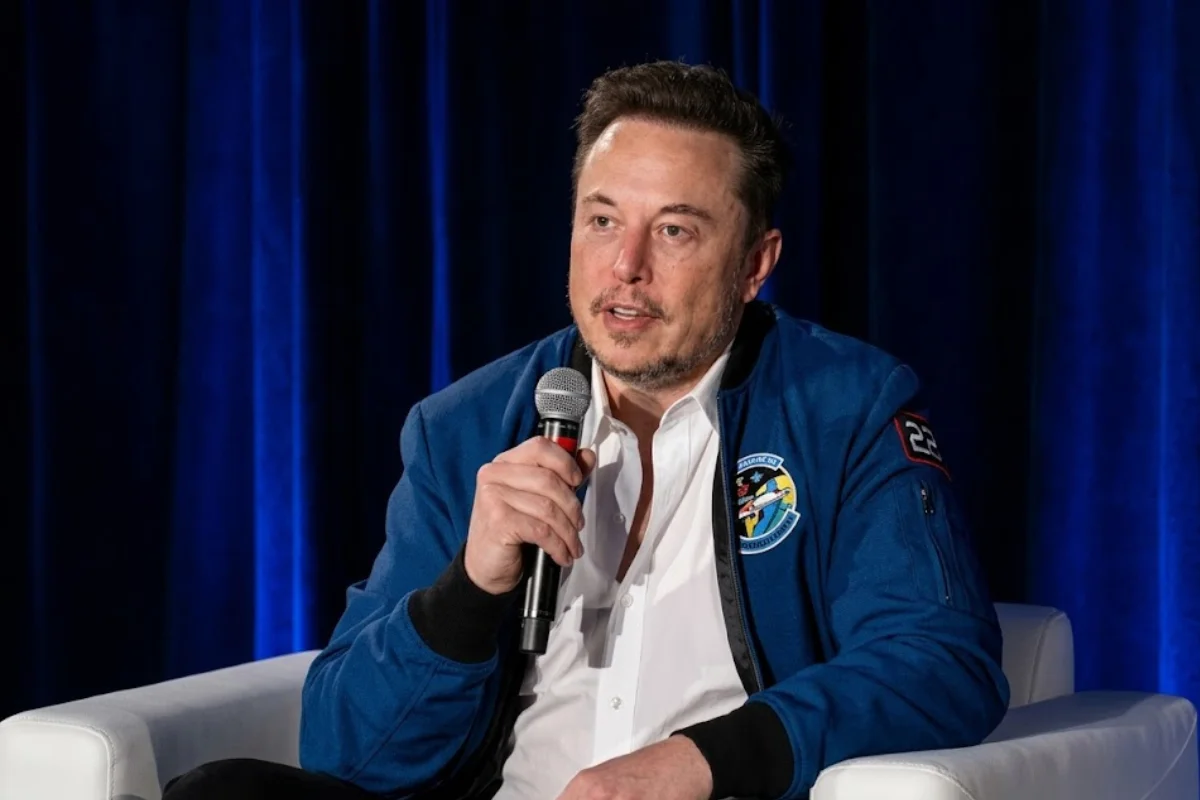
Elon Musk’s new project is now making chipmaking a key part of the AI discussion. Intel announced on April 7 that it will join Musk’s Terafab project. This ambitious plan is linked to Tesla and SpaceX. It aims to create processors for robotics and major AI data-centre objectives. That’s why this story is moving quickly online: it’s not just about software anymore. It’s about who will build the hardware for tomorrow’s smartest machines.
The bigger picture is what makes this story feel so important. SpaceX and Tesla plan to build two chip factories in Austin, Texas. These factories will be advanced and high-tech. One will focus on cars and humanoid robots, while the other will support AI data centres in space. Intel thinks its design, fabrication, and packaging strengths can help Terafab. They aim to reach one terawatt of computing each year. However, some key details remain unclear.
Elon Musk says he’ll manufacture Chips in Texas
This helps people see why this news feels much bigger than a normal tech deal. People are watching Musk discuss making chips in the United States. He wants to produce them for Teslas and robots instead of buying from other companies. For supporters that sounds like another huge step forward. For doubters it sounds exciting but risky because chip factories are known to cost a lot. They are hard to build. And they take a very long time.
That is exactly why the second video matters so much. Once Intel became part of the story it stopped sounding like a far off social media dream. It started to look more like a serious business move. Intel brings real chip making experience to a plan Musk has described in a very big way. That is why investors, tech watchers and critics are all watching much more closely now. They want to see if this plan can really become something bigger than just a bold promise.
Intel Joins Musk’s Terafab Project With Tesla, SpaceX, xAI
What stands out in the video above is the mix of confidence and uncertainty around the project. Intel’s message is bold. However, its exact role is still unclear. That uncertainty has not killed the excitement. It has actually made the story stronger. Now, people can see the benefits. Robots, autonomous systems, and large AI setups use chips made nearby.
Musks push into AI chips has moved past bold talk and into a more serious stage. But it is still far from proven. If Terafab works it could help him rely less on outside suppliers. It could also make his position stronger in robots, cars and AI systems. If things slow down it could turn into another huge promise that takes years to fully happen. Either way the race for AI hardware just got a lot more intense.