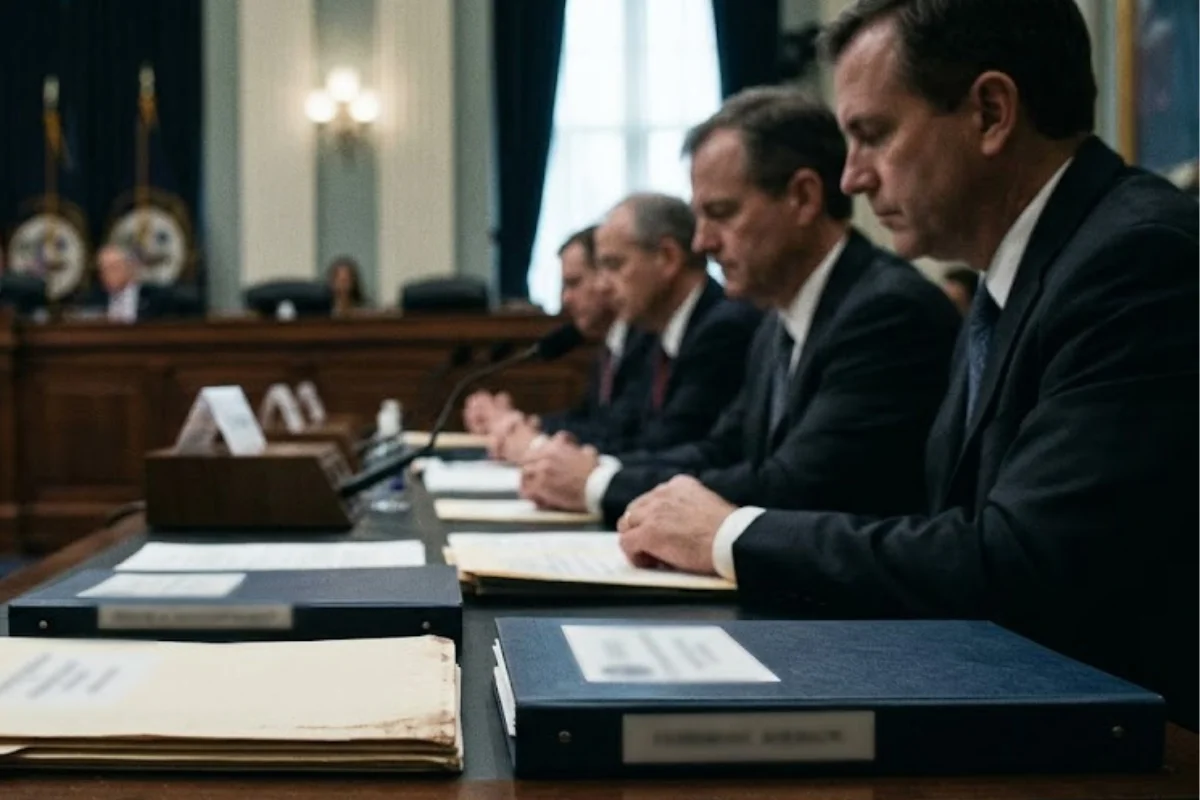
A recent House Oversight Committee request has put a sensitive topic into the public conversation: deaths and disappearances involving people connected to U.S. nuclear, aerospace, and space-related research.
The careful part is this: the committee’s own language refers to “unconfirmed public reporting,” and there is currently no confirmed public evidence that these cases are connected.
That matters because this story sits in a difficult space between national security, scientific transparency, personal tragedy, and online speculation.
Some of the people mentioned in public reporting had ties to NASA’s Jet Propulsion Laboratory, Los Alamos National Laboratory, MIT, aerospace research, or other sensitive technical fields. But several reports also caution that individual cases may have separate explanations, and that professional overlap alone does not prove a pattern.
“Missing, dead scientists are a ‘national security’ issue: Rep. Comer”
The future-focused question is broader than one headline.
As more space, nuclear, defense, and advanced research moves through public-private partnerships involving agencies, universities, contractors, and companies, should there be stronger systems for protecting researchers who work around sensitive information?
That could mean better personnel-safety protocols, clearer interagency reporting, better mental-health support for high-pressure research roles, stronger protections against foreign intelligence threats, or more transparent public communication when rumors start spreading.
At the same time, there is a real danger in turning every unexplained death or disappearance into a connected plot before evidence exists.
So the serious question is not “is there a conspiracy?”
It is this:
How should future science and space programs protect people working around sensitive technologies while also preventing fear, rumor, and speculation from outrunning the facts?
What part of this seems like a real future policy issue, and what sounds overhyped?